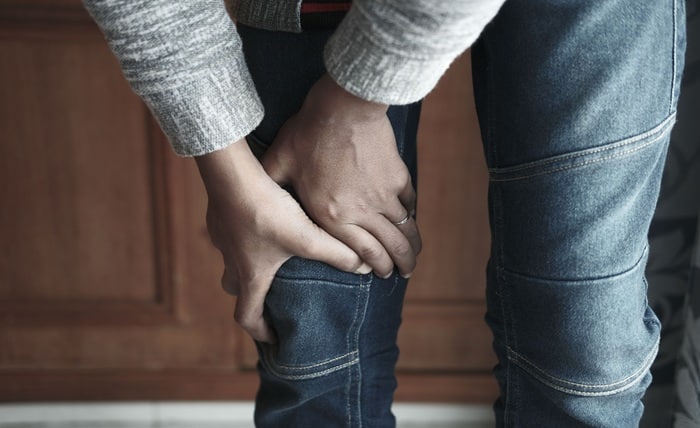
On the weekend, sports are actually the ideal way to stay active, socialize as well as enjoy some well-deserved recreation. If you like high impact sports that involve cricket, badminton, running, cycling, hiking, basketball or recreational gym work out sessions, knees literally absorb most of the impact.
If individuals experience discomfort, stiffness or mild pain in the knee after performing any physical activity. Wearing the best knee cap for pain relief could be a useful addition to your sports gear.
But selecting the best knee cap is not actually simple about buying the tightest or most heavily padded option. There are various types of knee support that are designed for different needs.
In this blog, we will explain what to look for when choosing a knee cap for weekend sports and recreational activities, how different types of support work and how to use them safely.
Why Individuals Experience Knee Pain on the Weekend?
Individuals sometimes put a lot of strain on their knees during the weekend. Especially when they suddenly switch from the low-activity routine of weekdays to hours of active and high impact activity on Saturdays or Sundays. Common examples include:
- Sudden increases in workout intensity
- Insufficient warm-up
- Repetitive jumping or running
- Poor movement mechanics
- Weakness in the muscles supporting the knee
- Previous knee injuries
- Stiffness of the muscles around the hips and legs
- Wearing inappropriate shoes
Many sports activities including badminton, tennis, basketball or even recreational cricket involve frequent stopping, sprinting, turning, jumping as well as changing direction.
Wearing a knee cap for pain relief can literally offer compression, warmth and a feeling of support. Using this brace usually provides mild support rather than the structural stability provided by more specialized braces. But it should not be considered a replacement for proper conditioning or medical treatment.
Types of Knee Supports for Weekend Sports
It is not necessary that every knee support provides the same basis. It is essential to understand the differences that can help select an appropriate option for yourself.
| Type of Knee Support | Main Purpose | Suitable For |
| Compression knee sleeve | Compression, warmth and light support | Mild discomfort, stiffness and recreational activities |
| Open-patella sleeve | Compression with reduced pressure directly over the kneecap | People who prefer an opening around the kneecap |
| Patellar support strap | Targeted support around the patellar tendon | Certain types of front-of-knee or tendon discomfort |
| Patellar tracking support | Helps guide or support kneecap movement | Certain patellofemoral problems |
| Hinged knee brace | Greater stability and movement control | Certain ligament injuries or instability |
| Rigid or immobilizing brace | Restricts knee movement substantially | Specific injuries or post-surgical healing under doctor’s guidance |
What Makes the Best Knee Cap for Pain Relief?
For most people looking for a knee cap for occasional weekend activities, comfort and appropriate compression should be higher priorities than maximum rigidity. Here are the most important features to consider.
1. Comfortable Compression
2. Proper Fit
3. Breathable Material
4. Freedom of Movement
5. Secure Fit During Activity
6. Appropriate Support Level
Selecting a Knee Cap Based on the Weekend Activity
Different recreational activities place different demands on the knees.
| Activity | What to Look For in Knee Support | Additional Consideration |
| Running | Lightweight compression and secure fit | Choose footwear appropriate for your running surface |
| Badminton | Flexible support that allows bending and lateral movement | Warm up before quick changes of direction |
| Tennis | Comfortable compression with freedom of movement | Avoid excessive restriction during lunges |
| Cricket | Flexible, breathable support | Useful for long periods of standing and movement |
| Basketball | Secure support for running as well as jumping | Consider doctor’s advice if the knee feels unstable |
| Cycling | Low-profile, comfortable compression | Avoid excessive tightness around the joint |
| Hiking | Comfortable support that stays in place | Choose support based on terrain and duration |
| Gym workout | Flexible compression for squats and functional movements | Focus on correct technique and gradual progression |
How to Wear a Knee Cap in a Correct Form
Before playing, ensure that the knee cap is positioned correctly and feels comfortable. Begin by checking that:
- The sleeve is centered over the knee joint.
- It is comfortably snug but not painfully tight.
- It does not limit your normal knee movement.
- There are no uncomfortable folds pressing against the skin.
- The knee cap should stay in position while walking or bending your knee.
Those using a knee cap for pain relief for the first time should begin wearing it with short and low-intensity tasks. It is important to test before using it for a full match or long hike. This literally helps to give you an opportunity to identify problems with fit or comfort.
Final Thoughts
During weekend sports and recreational activities with the use of a knee brace for pain relief is generally one that matches your individual needs. It provides comfortable compression as well as stays firmly in place. Allows a natural range of motion without any restriction.
Individuals having mild ache and stiffness or require a light support, using a comfortable compression sleeve could be the ideal answer.
Safety Tip: Do not judge a knee cap completely based on how tight, thick or stiff it feels. The right support should work with your natural movements, not against them. A knee cap should be incorporated with warm-ups, strengthening, gradual training and adequate recovery. This can help make your weekend activities more comfortable and sustainable.
If persistent, severe, instability, numbness or difficulty is experienced with the use of a knee cap, consult your doctor rather than relying solely on a knee cap.