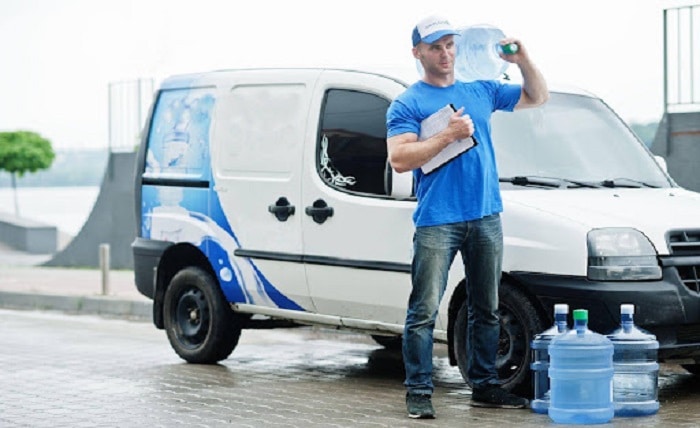
A well-maintained commercial fleet does more than support daily operations. Clean vehicles create a professional impression, protect presentation standards, and help businesses maintain consistency across their transport networks. Regular cleaning also supports a better experience for drivers, customers, and passengers who interact with company vehicles.
For many operators, fleet cleaning services are becoming an important part of planned vehicle maintenance. Regular washing can remove road film, dirt, salt, grease, and surface build-up while helping customer-facing vehicles remain presentable. Scheduled cleaning allows businesses to maintain appearance standards without unnecessary disruption to normal operations. Consistent maintenance can also help identify surface issues early, allowing operators to address stains, corrosion, or minor damage before they become more difficult to manage.
Modern Cleaning Practices Supporting Better Fleet Standards
Planned cleaning combines consistent presentation with practical scheduling, helping operators manage vehicle appearance without interrupting essential fleet operations.
1. Maintaining A Consistent Professional Appearance
Commercial vehicles are often highly visible representations of a business. Regular cleaning helps maintain a smart appearance across vans, HGVs, trailers, and other working vehicles. Consistent presentation can be particularly valuable for branded fleets that regularly interact with customers, suppliers, and the wider public.
2. Fitting Cleaning Around Vehicle Availability
A busy fleet cannot always accommodate lengthy trips to external wash facilities. Mobile cleaning can be arranged around normal operating schedules, including mornings, evenings, weekends, or planned depot visits. This approach allows operators to maintain vehicles while reducing unnecessary downtime.
3. Supporting Different Vehicle Requirements
Fleet operators may manage several types of commercial vehicles, each requiring different cleaning approaches. From tractor units and trailers to vans and refuse collection vehicles, professional cleaning teams can adapt the service according to vehicle type, condition, and operational requirements.
4. Using Appropriate Cleaning Methods
Effective vehicle cleaning requires more than simply applying water. Pre-treatment can help loosen traffic film and accumulated dirt before high-pressure washing and rinsing. Additional attention may be given to areas such as wheels, wheel arches, windows, lights, cab backs, and visible chassis sections.
5. Managing Cleaning Across Multiple Sites
Businesses operating from several depots can face challenges maintaining consistent vehicle presentation. Coordinated cleaning schedules can help establish similar standards across different locations. Centralised records can also provide fleet managers with clearer visibility of completed work and scheduled cleaning activity.
Efficient Fleet Care Through On-Site Cleaning Solutions
On-site cleaning offers a practical approach for businesses seeking reliable vehicle presentation while keeping fleet operations moving efficiently.
The growing use of fleet cleaning services reflects the need for maintenance solutions that fit around operational demands. Rather than taking vehicles away from their usual locations, mobile teams can clean them directly at depots, yards, or operating sites. This can reduce travel to fixed washing facilities and make regular cleaning easier to schedule. Planned weekly, fortnightly, or agreed visits can support consistency across a fleet. For larger operations, digital job records and supporting images can also provide useful documentation, helping managers monitor completed work and maintain clearer cleaning schedules.
Sustainable Practices Strengthening Responsible Vehicle Care
Modern fleet maintenance increasingly considers environmental responsibility alongside cleanliness, efficiency, and operational convenience.
1. Controlling Wastewater During Cleaning
Vehicle washing can generate significant amounts of wastewater containing dirt and surface contaminants. Where suitable drainage is limited, wastewater containment systems can help capture wash water for appropriate removal and disposal. This provides businesses with a more controlled approach to managing cleaning-related waste.
2. Choosing Suitable Cleaning Products
Cleaning products should be selected according to vehicle surfaces, operational requirements, and responsible usage practices. Non-caustic and solvent-free traffic film removers can help loosen accumulated road grime while supporting an effective cleaning process. Appropriate product selection can contribute to consistent results without unnecessary chemical use.
3. Reducing Unnecessary Vehicle Movement
On-site cleaning can reduce the need to drive vehicles to separate washing facilities. Keeping vehicles at their normal operating location during cleaning can help minimise additional journeys while also saving valuable operational time. This makes mobile maintenance particularly practical for larger commercial fleets.
4. Recording Completed Cleaning Work
Digital records can help businesses monitor when vehicles have been cleaned and identify outstanding maintenance requirements. Supporting images and job information provide additional visibility for fleet managers. Consistent documentation can be useful when managing multiple vehicles, depots, teams, or recurring cleaning schedules.
5. Building Cleaning Into Routine Maintenance
Cleaning works best when treated as a regular part of fleet management rather than an occasional response to heavy dirt. Planned schedules can help businesses maintain presentation standards throughout the year. Combining washing with other routine checks can create a more organised approach to vehicle upkeep.
Improving Fleet Efficiency Through Planned Vehicle Care
Effective fleet management involves more than keeping vehicles clean on the outside. A structured vehicle care programme can help businesses maintain consistent presentation while supporting smoother day-to-day operations. Regular cleaning helps remove road grime, traffic film, salt, and other surface contaminants that accumulate through frequent commercial use.
Scheduling cleaning at suitable intervals also allows fleet managers to plan vehicle availability more effectively and reduce unexpected disruption. For businesses operating multiple vehicles or locations, consistent cleaning standards can make fleet presentation easier to monitor. Combining scheduled washing with digital records, suitable cleaning products, and responsible wastewater management creates a more organised maintenance approach. This helps businesses maintain professional-looking vehicles while making cleaning a predictable part of their wider fleet management strategy.
Conclusion: Building A Stronger Fleet Presentation Strategy
Regular vehicle cleaning supports professional presentation, operational consistency, and responsible fleet management. Planned schedules, suitable cleaning methods, wastewater controls, and digital records can make vehicle care more efficient while reducing disruption to daily operations.
For businesses seeking professional fleet cleaning, Mobile Fleetwash provides professional on-site fleet cleaning across the UK. Their mobile service covers HGVs, trucks, vans, trailers, refuse collection vehicles, and other commercial fleets, with flexible scheduling designed around operational demands. With multi-site support, wastewater containment, and digital reporting, Mobile Fleetwash helps businesses maintain high vehicle presentation and hygiene standards while reducing the time and logistical challenges associated with traditional off-site cleaning.