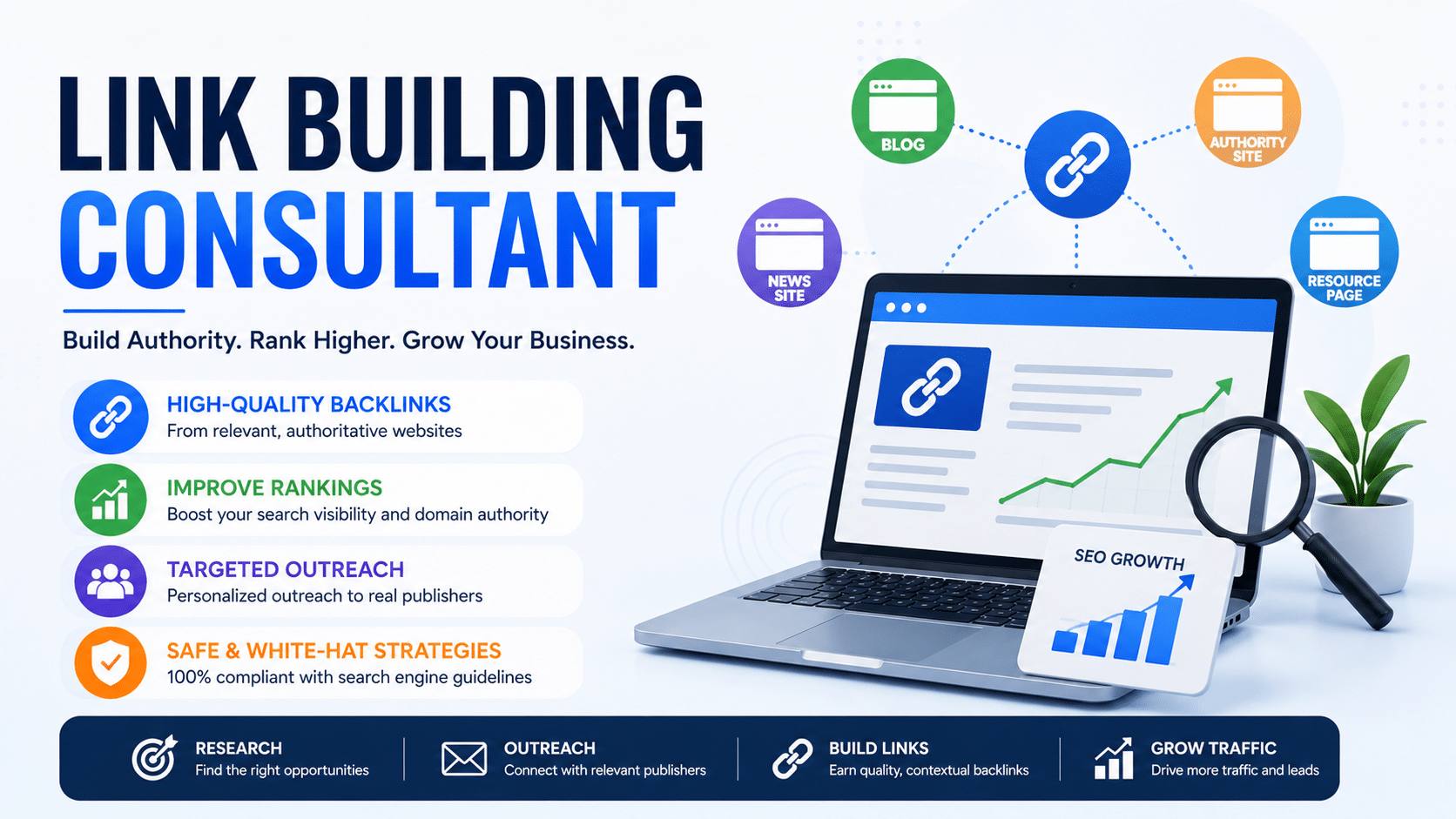
Contextual link building has quietly become one of the most talked-about topics among digital marketers heading into the second half of 2026, as search engines continue tightening their standards around what counts as a genuinely valuable backlink. Businesses that once relied on volume-based tactics are finding those approaches increasingly ineffective, while those focused on relevance and editorial quality are seeing steadier, more durable gains. This article breaks down the current state of the practice, the trends shaping it this year, and what site owners need to know to keep pace.
The Shift Toward Quality-First Signals
For years, marketers debated how much weight search engines actually placed on backlink quality versus quantity. That debate has largely settled. Recent updates have made it clear that a smaller number of genuinely relevant, well-placed links now outperforms large volumes of low-quality mentions, which is precisely why contextual link building has moved from a niche tactic to a mainstream priority for nearly every serious marketing team.

This shift reflects a broader trend across search algorithms: rewarding content and signals that demonstrate real human value, rather than patterns that can be easily manufactured at scale. A link embedded naturally within a well-written, relevant article demonstrates exactly the kind of genuine endorsement that automated or paid schemes struggle to replicate convincingly.
Why News and Media Sites Are Central to This Trend
News publications and established media outlets play an outsized role in the current contextual link building landscape. Journalists covering an industry story often need expert quotes, data points, or background context, and businesses willing to provide genuinely useful information can earn placements within that coverage. Because these outlets carry substantial authority and trust, a single contextual link building placement from a respected publication can carry more weight than dozens of smaller mentions combined.
This has led to a rise in structured PR outreach specifically designed to place businesses inside timely news coverage, rather than relying solely on traditional guest posting.
Key Trends Shaping Contextual Link Building This Year
| Trend | What It Means for Site Owners |
| Increased scrutiny of paid placements | Sites relying on purchased links face greater risk of penalties |
| Growing preference for original data | Publishers increasingly favor content backed by real research |
| Rise of AI-assisted outreach | Personalization still outperforms fully automated pitches |
| Emphasis on topical authority | Niche relevance now matters more than raw domain size |
How AI Tools Are Reshaping Outreach Without Replacing Relationships
Many marketing teams have started using AI-assisted tools to speed up prospect research and draft initial outreach messages. While these tools can meaningfully improve efficiency, publishers and editors have become increasingly skilled at spotting generic, automated pitches. The most successful contextual link building campaigns in 2026 still rely on genuine personalization, even when early-stage research is handled with the help of automated tools.
This blended approach, using technology to identify opportunities while relying on real human judgment for the final outreach, has become the standard among teams that continue to see strong results.
The Growing Importance of Topical Authority
Search engines increasingly evaluate not just the authority of a linking domain, but how closely that domain’s overall content matches the topic of the page receiving the link. This means a moderately sized niche blog covering a highly specific topic can sometimes provide a more valuable contextual link building placement than a much larger, general-audience publication with little topical overlap.
This trend has pushed many marketers to reconsider their prospect lists, deprioritizing large but loosely related sites in favor of smaller, more focused publications that align closely with their specific industry.
What This Means for Smaller Publishers and Niche Sites
Interestingly, this shift has been good news for smaller, specialized publications, which are now seen as valuable contextual link building partners precisely because of their tight topical focus. Businesses reaching out to these smaller sites often find higher response rates and stronger long-term relationships, since the audience overlap tends to be much more genuine than with larger, broader publications.
Risks of Ignoring These Changes
Businesses that continue relying on outdated tactics, such as bulk directory submissions or purchased link packages, risk falling behind competitors who have adapted to the current landscape. Worse, some of these outdated tactics can trigger algorithmic penalties that actively harm rankings rather than simply failing to help them. Staying current with how contextual link building is evaluated has become less of an optional refinement and more of a basic requirement for maintaining search visibility.
Practical Steps for Adapting to These Trends
Marketing teams looking to stay ahead should begin by auditing their existing backlink profile for any placements that might now be viewed as low-quality or manipulative. From there, shifting outreach efforts toward smaller, more topically relevant publications, investing in original research where possible, and maintaining a personalized, relationship-first approach to outreach will help ensure continued success as search engines keep refining how they evaluate contextual link building signals.
Looking Ahead
There is little indication that this trend toward quality and relevance will reverse. If anything, the current trajectory suggests search engines will continue rewarding genuine, well-placed contextual link building efforts even more heavily in the coming years, while further penalizing manipulative or low-value tactics. Businesses that adapt now are likely to be far better positioned than those waiting for further updates to force their hand.
Case in Point: A Regional Retailer’s Pivot
A regional home goods retailer that had spent years on directory submissions and low-quality guest posts recently overhauled its approach after noticing flat organic traffic despite continued spending. The team shifted its entire budget toward contextual link building focused on smaller, home-and-lifestyle publications with genuinely engaged readerships. Within two quarters, referral traffic from these placements outperformed the retailer’s entire previous year of directory-based efforts, despite a smaller total number of links earned.
This example reflects a pattern showing up across many industries in 2026: fewer, better-placed links consistently outperform larger volumes of low-relevance mentions, reinforcing why so many teams are restructuring their strategies around contextual link building rather than abandoning link building altogether.
How Editorial Standards Are Tightening Across the Web
Many publications that once accepted almost any reasonably written guest contribution have tightened their editorial standards considerably. Editors are now more likely to reject generic pitches outright, favoring contributions that offer a genuinely unique angle, original data, or expert insight unavailable elsewhere. This tightening has raised the bar for what qualifies as a strong contextual link building opportunity, but it has also made successful placements more valuable, since publishers are effectively pre-filtering for quality on behalf of their readers and, indirectly, on behalf of search engines evaluating the resulting links.
Preparing for Continued Change
Because search engines regularly update how they evaluate backlink signals, businesses investing in contextual link building should build flexibility into their strategy rather than locking into a single fixed playbook. Reviewing performance regularly, staying informed about algorithm updates, and remaining willing to shift focus toward whichever channels are currently producing genuine value will help ensure a program remains effective even as specific tactics continue to shift throughout the year.
Frequently Asked Questions
Has contextual link building become more difficult in 2026?
In some ways yes, since low-effort tactics no longer produce meaningful results. However, businesses willing to invest in genuine relevance and quality often find it easier to stand out, since so many competitors are still relying on outdated approaches.
Are AI tools safe to use for this kind of outreach?
AI tools can be useful for research and drafting, but fully automated, non-personalized outreach tends to underperform compared to messages tailored specifically to each publisher.
Why are smaller niche publications becoming more valuable?
Because search engines increasingly weigh topical relevance heavily, a smaller site with a tightly focused audience can sometimes provide more value than a much larger, loosely related publication.
What is the biggest risk of ignoring these trends?
Continuing to rely on outdated volume-based tactics risks both stagnant rankings and potential algorithmic penalties, as search engines grow more effective at identifying manipulative link patterns.
Should smaller businesses still pursue coverage from major news outlets?
Yes, when a genuine opportunity exists, since a single high-authority placement can still carry substantial weight, particularly when it fits naturally within relevant news coverage.
Conclusion
Contextual link building continues to evolve, but its underlying principle, earning genuine, relevant, naturally placed links, remains as important as ever heading through the rest of 2026. Businesses that stay current with these trends, prioritize topical relevance, and continue investing in real relationships rather than shortcuts are the ones most likely to see lasting benefits from their ongoing contextual link building efforts.
As the year progresses, expect the gap to widen further between businesses adapting to these changes and those still relying on outdated tactics. The good news is that adapting does not require an enormous budget, simply a willingness to prioritize genuine relevance and quality over volume. For any business paying close attention to where search visibility is headed, contextual link building deserves a central place in the overall marketing strategy for the remainder of 2026 and beyond.
To discover more insights and explore our full range of resources, we invite you to visit our official website: newsgiga.net.in