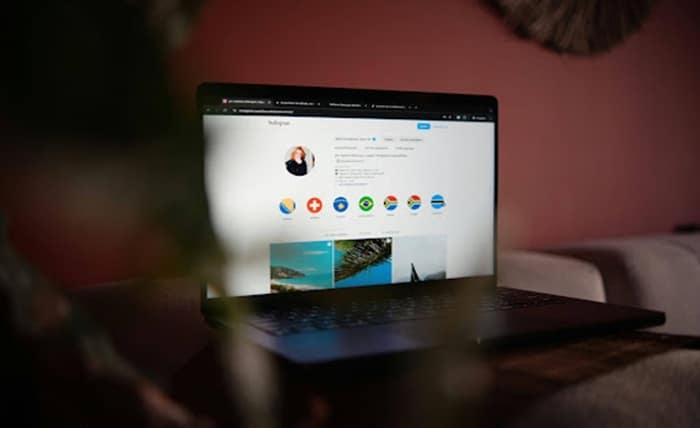
A bio is roughly one hundred and fifty characters of first impression, and most people spend more time picking a profile picture than deciding what those characters actually say. That imbalance is why so many otherwise strong accounts leak followers in the first three seconds of a visit.
The mistakes below are not dramatic. They are the small, quiet choices that make a stranger tap back to the feed instead of tapping follow. None of them require a rebrand to fix, only a careful second read.
Before we get into the list, a quick side note for readers who write bios for finance or crypto pages and end up citing outside resources: when you point people toward a background explainer, say a stablecoin primer on this website, keep the link description factual and adult in tone. A bio that reads like a pitch loses trust faster than one that reads like a note.
The Six Mistakes Worth Auditing Today
Each of the following patterns appears in thousands of profiles across Instagram, Threads, and X. They are ordered from the most common to the most quietly damaging, so read all six before deciding which one to fix first.
1. Leading With a Title Nobody Searches For
Opening your bio with a job label such as “Senior Content Strategist” or “Aspiring Creator” tells visitors what you print on a business card, not why they should stay. Titles are abstract; verbs are magnetic. Replace the label with a sentence that names who you help and how, and the follow rate from cold traffic often rises within a week.
2. Stacking Too Many Emojis in a Row
One emoji per line reads as punctuation. Three in a row reads as decoration, and decoration suggests that the account is more concerned with looking full than saying something. Reduce the bio to one visual cue per idea, and it immediately feels as though it was written by a person rather than assembled from a Pinterest board.
3. Using Vague Identity Words Without Proof
Storyteller, dreamer, foodie, creator. These words mean everything and therefore nothing. When you call yourself a storyteller, name the format: audio essays about small-town cricket or photo threads from Kolkata trams. Specific details survive the two-second scan; adjectives do not.
4. Hiding the Link Behind a Mystery
A bio that ends with “tap the link and see” or “link below” without context asks visitors to do work before they understand why. State what sits on the other side in plain language: the latest newsletter, product catalog, or portfolio in PDF format. Curiosity gaps work only when the account has already established trust. New visitors need a reason, not a riddle.
5. Copying a Template You Saw Go Viral
Format templates spread quickly on Reels and TikTok, which means hundreds of other profiles look identical by the time yours goes live. A bio that could belong to anyone belongs to no one. Borrow the structure if it works, but rewrite every noun and verb in your own voice.
6. Never Updating the Bio After the Account Changes Direction
Accounts evolve. A travel blogger becomes a hostel reviewer, while a fitness page becomes a running coach. When the bio still reflects the old direction, new followers arrive confused and leave quietly. Set a reminder every quarter to reread your description as though you had never seen the account before.
A Quick Self-Audit Before You Rewrite

Before rewriting, run the current bio through this checklist. When you cannot answer yes to at least four of the five questions, the description is doing less work than it could:
- Does the first line name a specific audience or subject rather than a generic title?
- Would a stranger understand what they gain by following without opening a single post?
- Is the link paired with a plain description of its destination?
- Does the tone match the last ten posts on the profile grid?
- Has the bio been updated within the last 90 days?
Small Edits That Shift the Follow Rate
Improving a bio does not require a new brand identity or color palette. Most of the progress comes from three quiet changes: replacing one abstract noun with a concrete one, removing one decorative emoji, and rewriting the link line so visitors know where the tap will take them.